
High-Performance FRP Honeycomb Panels for Construction

All Categories

frp honeycomb sandwich panel

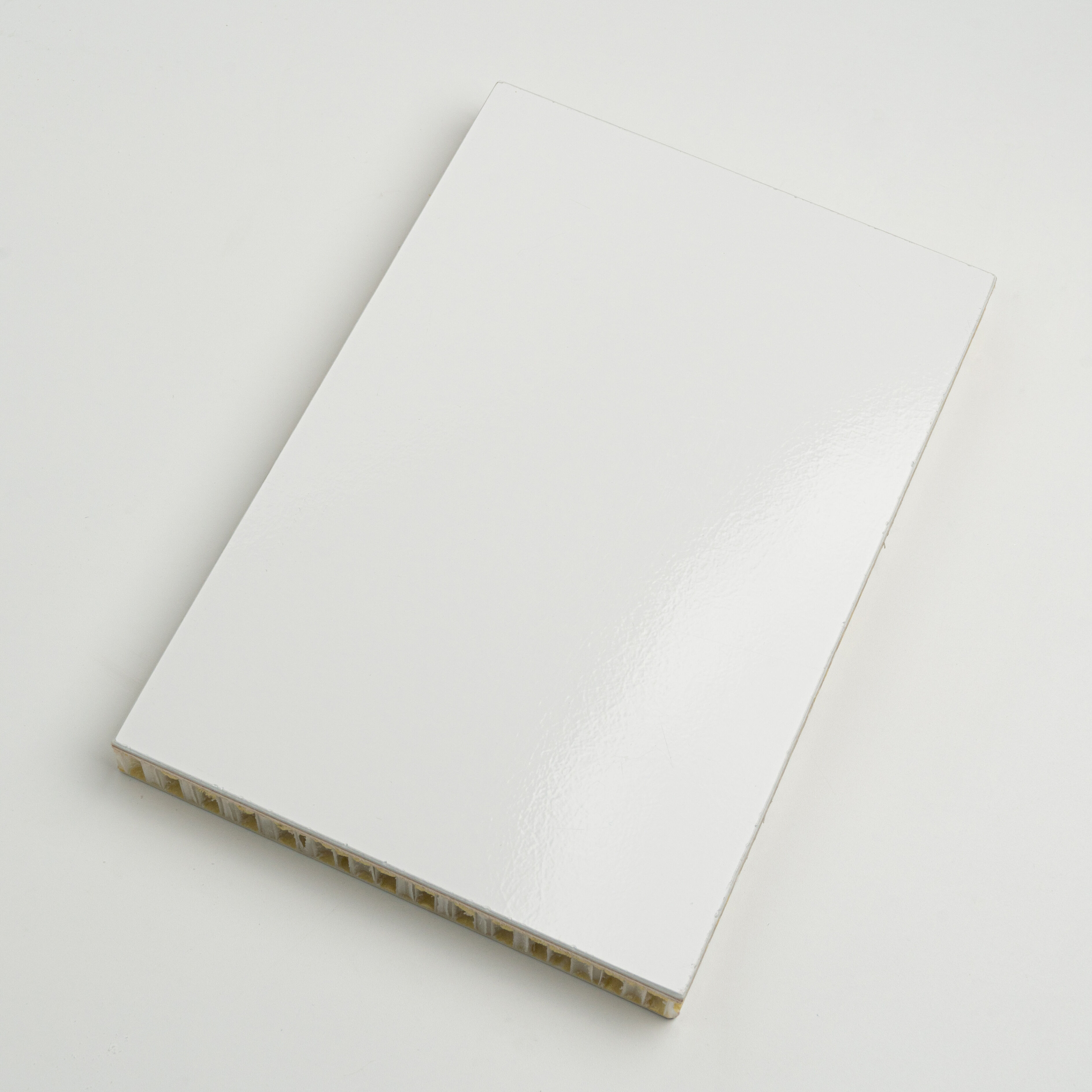
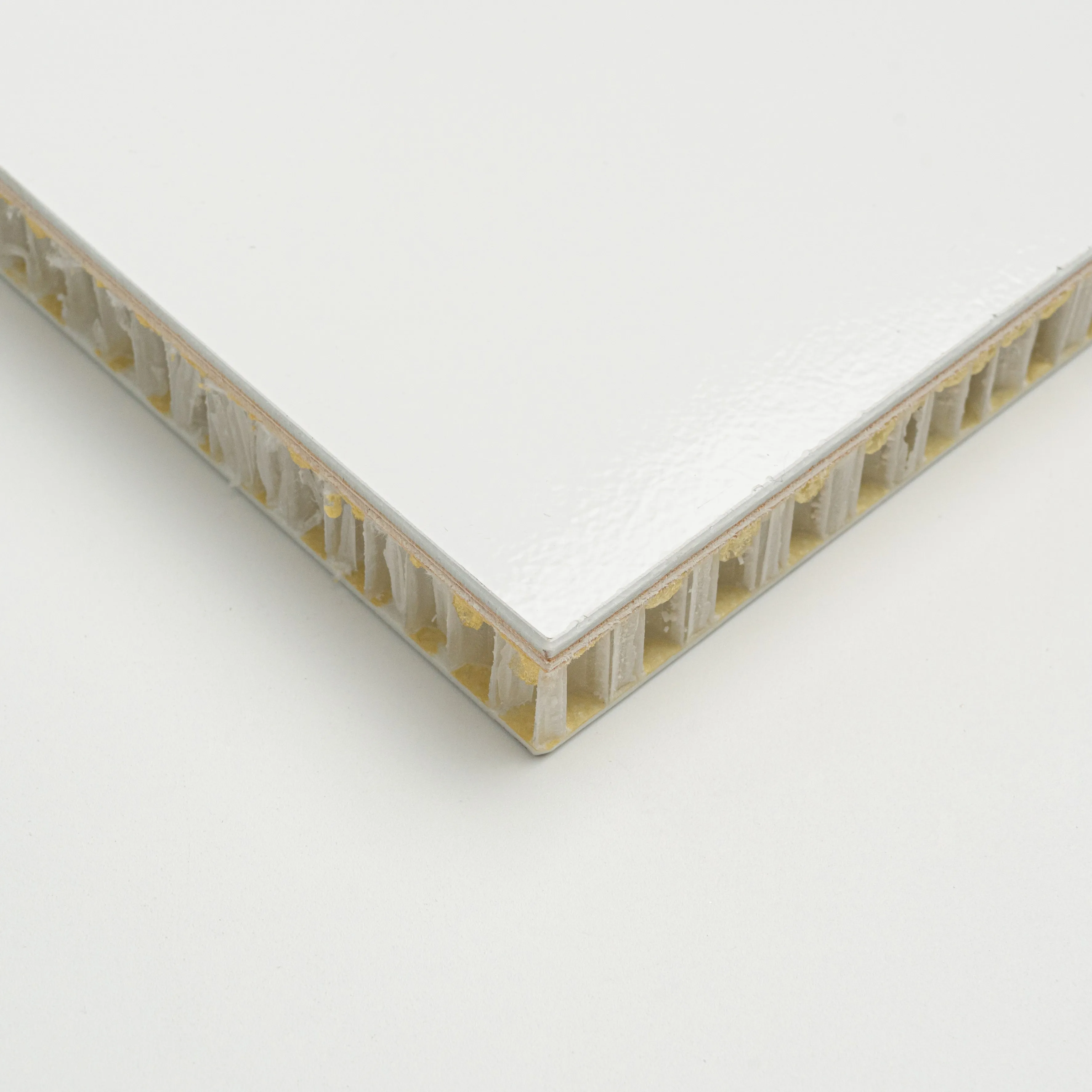
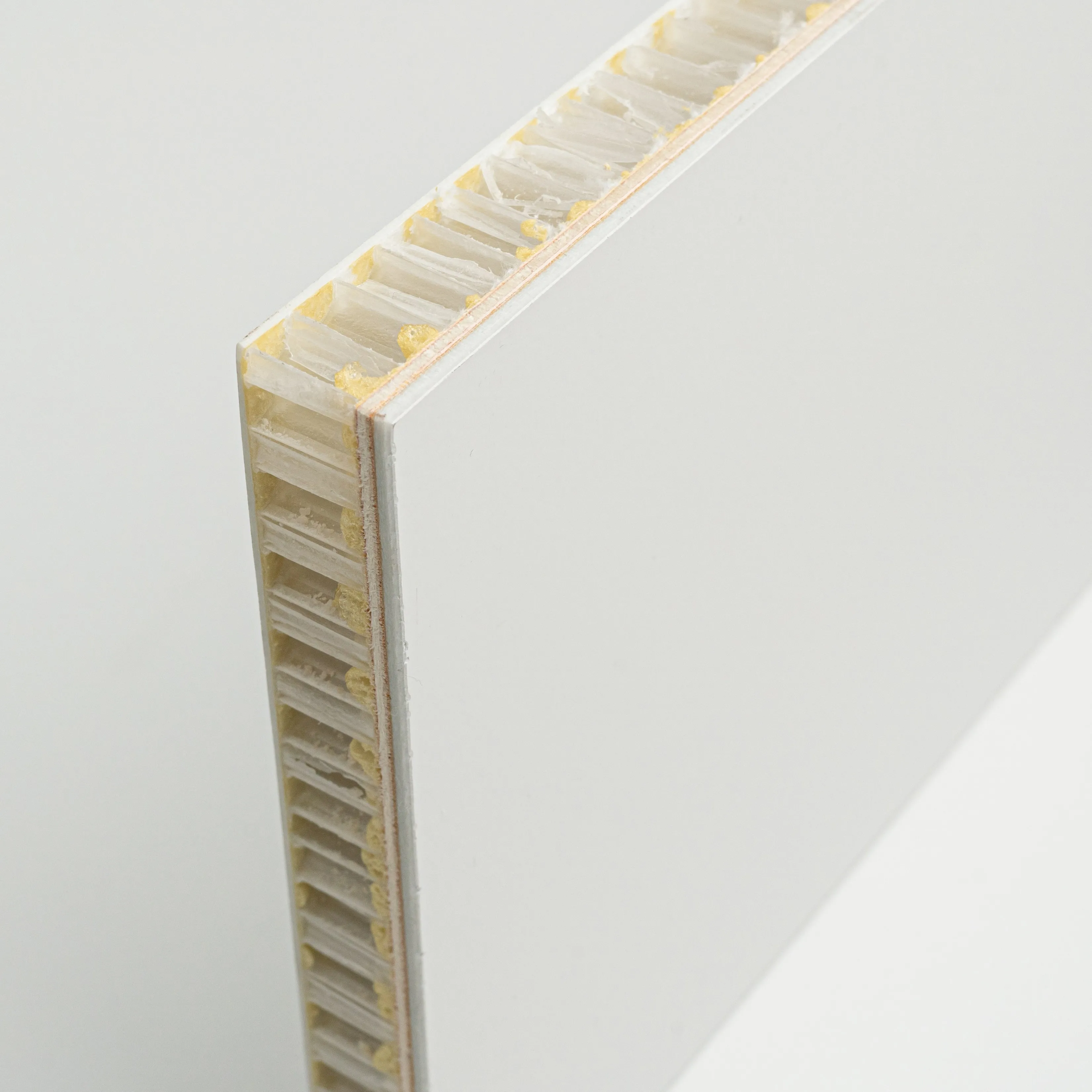
FRP honeycomb sandwich panels is special  building  materials that consist of three layers. The  two outside layers usually  made from fiberglass reinforced plastic (FRP), and the center is a honeycomb structure, often from cardbord or aluminum. This setup make the panels strong yet  light in weight. They get  used in lots of spots, like buildings and boats or trucks. Our  company, Wansheng, known for producing good quality FRP honeycomb sandwich panels that last  long and work well. These  panels  give great insulation and resist water, fire, and chemicals, so they fit  for different uses.

Picking the right FRP honeycomb sandwich panel can be tough, but  you should think about  your needs first. Look at the size you need for the panel. Wansheng have panels in various sizes to match projects. Another factor is the  thickness. Thicker ones often stronger  and insulate better,  while thinner  are lighter to handle easy. Also consider where you use it. For wet areas,  you might  want one that resist water a lot. For instance, our Stainless Steel Surface Sandwich Composite Panel is ideal for moisture-prone environments.
 

How to Choose the Right FRP Honeycomb Sandwich Panel for Your Needs

And you should look at colors and finishes too. Wansheng offer many colors, which matter for how your project looks. If  you want it to  last,  check the warranty.  A warranty mean the maker stands  by their product, thats a positive sign. In addition, if you got special needs like  extra  strong  or  light, talk to Wansheng  team. We can help  choose the best one. Its good to read  customer reviews as well. This help you see how panels work  in real life.


With  this, panels can customize in color and size for design ideas. They reduce noise too, making places nicer. In schools or offices, less  noise lead to better focus and work. Finally,  using these panels often  more eco-friendly than usual materials.  They made from recycled stuff  and can recycle again. Overall, these make FRP honeycomb sandwich panels smart pick for construction.

Get a Free Quote

Name
Email
Mobile
Country/Region
Message
0/1000

Related product categories

What Are the Key Benefits of Using FRP Honeycomb Sandwich Panels in Construction?

What Are the Key Benefits of Using FRP Honeycomb Sandwich Panels in Construction?

FRP honeycomb sandwich panels are  strong and light  building materials. They have honeycomb core with FRP layers outside. While  good for many things, some common  issues happen. One is  wrong  installation. If not put  right,  panels  can  warp  or break. To avoid, follow Wansheng instructions always. Use  proper tools and ways when installing. Another problem wrong adhesive. If glue  not strong,  panels may separate.  Wansheng suggest high-quality glue for  FRP. Also check the surface.  If rough or dirty,  panels  not stick good. Clean and smooth it before.

 
Common Usage Issues with FRP Honeycomb Sandwich Panels and How to Avoid Them

Common Usage Issues with FRP Honeycomb Sandwich Panels and How to Avoid Them

So, exposure to extreme weather another  issue. FRP can damage from hot or cold temps. Protect  from  sun  and wind direct. For outdoor use,  make sure they built for local weather. Regular  check important.  Look for damage signs. Fix  quick  to stop  worse problems.  Lastly, dont forget  weight limits. Each panel have  a limit. Over  it can break them. Check Wansheng  specs to know how  much  they hold. By  careful and  these tips,  you avoid most problems with FRP honeycomb sandwich panels.

What Are the Environmental Benefits of FRP Honeycomb Sandwich Panels?

What Are the Environmental Benefits of FRP Honeycomb Sandwich Panels?

FRP honeycomb sandwich panels  not just useful  but  good for environment too. One  main benefit they made  from recyclable  materials.  So  when no longer  need, break  down and make new  products. This cut waste  in landfills. Wansheng commit to planet-friendly  products. Another  plus is lightweight. Because light,  less energy  to  transport them. Means less  fuel, better for  air. Less energy  use, less pollution.